
At the recent BMLA meeting in Liverpool, there was a rather worrying presentation on plume.
A study by the University of Loughborough looked at the risks associated with the plume (smoke) generated during laser hair removal procedures. An air suction system was used to collect the smoke particles arising from patients undergoing laser hair removal.
They found that many particles of various substances were in this plume, ranging in size down to smaller than one micron (tiny!!) These particles may be able to transmit infectious and/or cancer cells, bacteria and even viruses. Such small particles are certainly capable of irritating the respiratory tissues in the nose and lungs, if inhaled regularly.
The recommendations of the study researchers were:
- All staff should wear properly fitted FFP3 (or N99/KN99) respirators (masks). Standard surgical masks are not sufficient for this purpose.
- Extraction and filtration of the plume should be used at all times in laser treatment rooms. This requires either an extraction system which ejects the room air to the outside environment, or an air filtration unit in the room with the appropriate HEPA filters. These filters need to be changed on a regular basis to ensure maximum efficiency.
- Preferably, an air suction system should be used near the skin surface during treatments, to minimise the contamination of the room air.
Plume arising from laser treatments should be considered as ‘biological hazards’. Many studies, through the years, have indicated that the contents of this smoke can be potentially very hazardous to all laser operators, and customers.
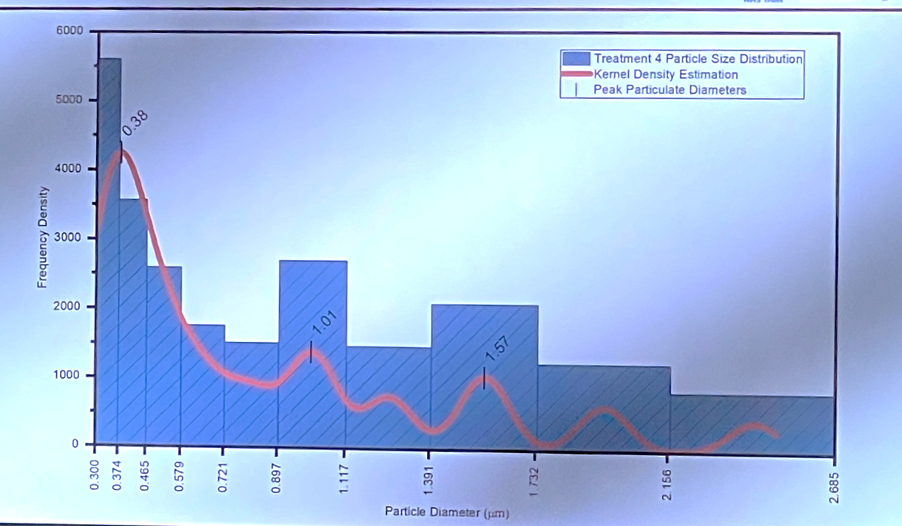
Reproduced from the presentation in the BMLA Conference, Liverpool 2024 – by Dr Lewis Jones.
I suspect that the Government will introduce legislation in the future to cover this topic. However, all laser operators should be concerned for their own health. If you can smell an unpleasant odour after laser/IPL hair removal, then you are breathing in plume!
It’s worth it, for your health!
Mike.

 Mike Murphy's Blog